


Skip Content
You are currently on the new version of our website. Access the old version .

Infectious Disease Reports

Infectious Disease Reports is an international, peer-reviewed, open access journal on infectious diseases published bimonthly online by MDPI (since Volume 12, Issue 3 - 2020).

All Articles (804)

  • Systematic Review
  • Open Access

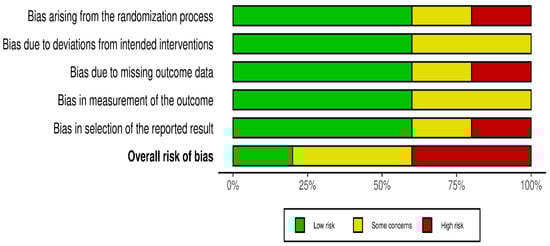
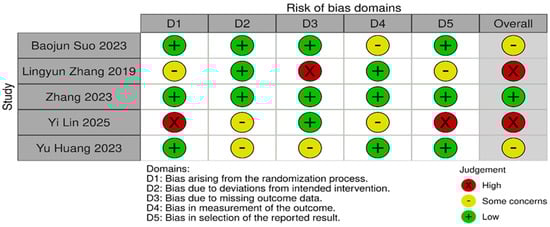
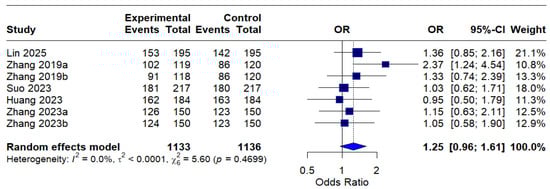
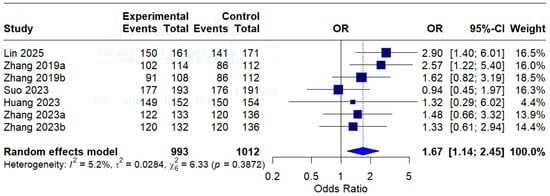
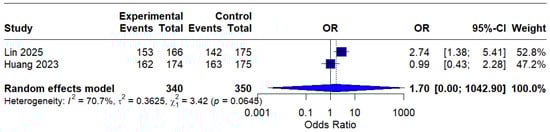
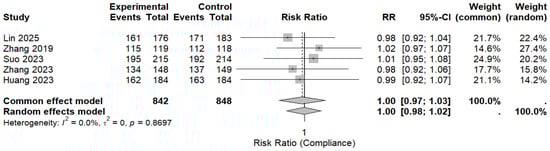
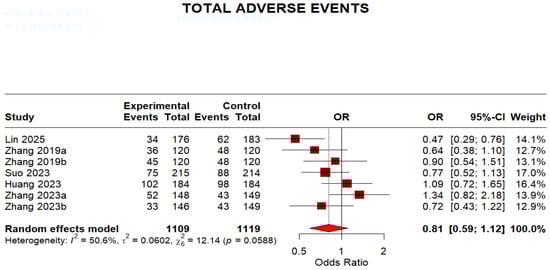
Background: Growing antibiotic resistance and the limited availability of key components in standard Helicobacter pylori treatments have driven the search for effective alternatives. Minocycline, with its broad-spectrum activity and favorable pharmacokinetics, has emerged as a promising substitute. This meta-analysis compares the safety and efficacy of minocycline-containing bismuth quadruple therapy (MBQT) to conventional first-line BQT regimens, incorporating data from the recent study by Lin et al. Methods: The inclusion criteria were randomized controlled trials (RCTs) with a target population of both treatment-naïve and previously treated patients diagnosed with Helicobacter pylori (H. pylori) infection. The intervention received by eligible patients was a minocycline–bismuth quadruple therapy (MBQT) regimen containing bismuth, minocycline, proton pump inhibitors (PPI), and any additional antibiotic with a minimum period of 2 weeks of administration. We excluded study designs other than RCT and clinical trials that include patients without confirmed H. pylori infection, animal populations, in vitro experiments, and reports of other outcomes that did not include a minimum intervention duration of 2 weeks. A comprehensive literature search was conducted on PubMed, EMBASE, Cochrane Library, and ScienceDirect from inception to 20 May 2025. After screening via Rayyan, data were extracted on an Excel spreadsheet. Quality was assessed using the Cochrane RoB 2.0 tool. Eligible randomized controlled trials (RCTs) were included and analyzed using RevMan 5.4. Outcomes assessed were intention-to-treat and per-protocol eradication rates. Adverse effects were compared among therapies. A random-effects model was used; an I2 < 50% and p-value < 0.05 indicated homogeneity and significant results respectively. Results: Five RCTs with 7 interventions involving 2812 patients were included. The pooled odds ratio (OR) for MBQT in intention-to-treat (ITT) analysis was 1.25 (95% CI: 0.96–1.61), showing a non-significant trend. No heterogeneity was detected (I2 = 0.0%). In the modified ITT (mITT) analysis (2 studies), MBQT showed higher eradication (OR: 1.70, 95% CI: 0.00–1042.90), but wide CI and high heterogeneity (I2 = 70.7%) limited interpretation. All studies were included in the per-protocol (PP) analysis, which showed a statistically significant improvement with MBQT (OR: 1.67, 95% CI: 1.14–2.45) and low heterogeneity (I2 = 5.2%), suggesting consistent results. Although not statistically significant, MBQT was associated with a slightly lower rate of adverse events compared to standard therapy (OR: 0.81, 95% CI: 0.59–1.12). I2 = 50.6% showed moderate heterogeneity in safety outcomes. Discussion: the number of included RCTs was modest, with only five studies meeting eligibility criteria, and only two contributing to the modified intention-to-treat analysis. The risk-of-bias assessment showed variation in methodological quality across the included studies. Several studies exhibited high risk judgments in critical domains. particularly randomization, deviations from intervention, and selective reporting. Patients who completed the treatment benefited more from MBQT, which also had a comparable safety profile to conventional BQT regimens. In the treatment of H. pylori infection, MBQT may be considered a safe alternative for first-line treatment.

6 February 2026

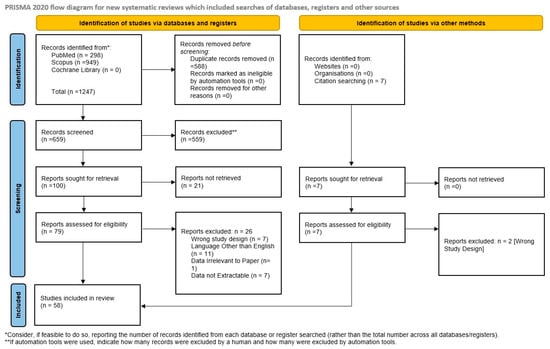
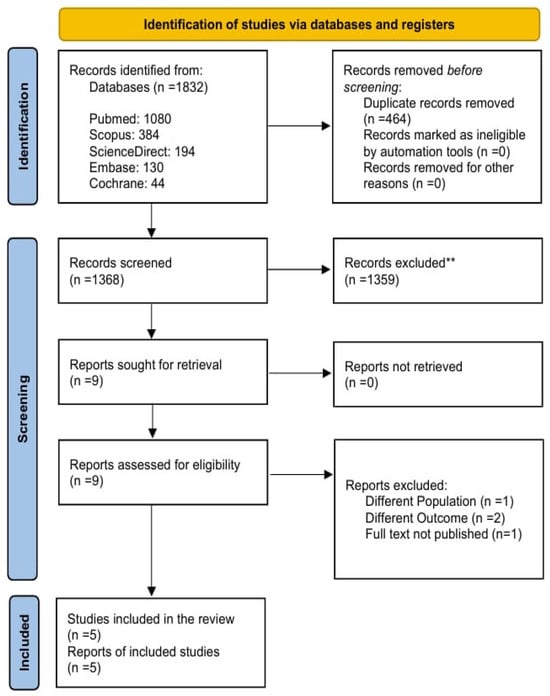
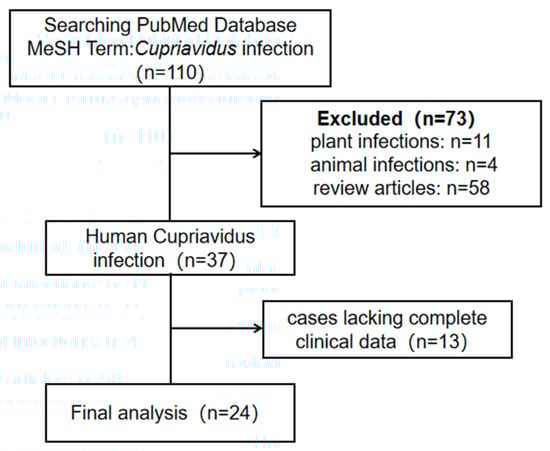
PRISMA Flowchart.

Atypical Presentations in Melioidosis: A Case-Based Review from Endemic Regions

  • Saurav Jyoti Patgiri,
  • Anukalpa Saikia and
  • Harpreet Kaur
  • + 5 authors

Background: Melioidosis, caused by Burkholderia pseudomallei, is a severe and often underdiagnosed infection endemic to South Asia, Southeast Asia, and northern Australia. While pneumonia and sepsis are the classical presentations, the disease is increasingly recognized for its diverse and atypical clinical manifestations. Objective: The objective is to improve diagnostic accuracy and increase clinical awareness in both endemic and non-endemic settings by reviewing and classifying atypical presentations of melioidosis that have been documented in the literature. Methods: A narrative, case-based review was conducted using 238 published case reports and series from endemic and transitional regions during the period from 2000 to 2025. Cases with non-respiratory presentations or anatomical locations not commonly linked to melioidosis were classified as atypical. Clinical syndromes were used to classify the extracted cases, and common patterns in presentation, diagnosis, and outcome were examined. Results: One hundred and sixty published articles were included after a full text review. The most frequent atypical presentations included neurological involvement (e.g., brain abscess, encephalomyelitis), musculoskeletal infections (osteomyelitis, myositis), thyroid abscess, tubo-ovarian abscess, and dermatologic manifestations such as erythema nodosum. Imported and pediatric cases were also found. Numerous cases were misidentified as cancer, fungal infections, or tuberculosis. Among risk factors, diabetes mellitus was the most prevalent. Non-specific symptoms, a lack of laboratory capacity, and incorrect pathogen identification frequently resulted in delays in diagnosis. Conclusions: In endemic areas, melioidosis should be taken into account when making a differential diagnosis of a variety of clinical syndromes, especially in patients who have diabetes or have had relevant environmental exposure. Poor outcomes and diagnostic delays are greatly exacerbated by atypical presentations. Improving diagnostic capabilities and raising awareness are crucial to lessening the worldwide burden of this often ignored but potentially deadly infection.

3 February 2026

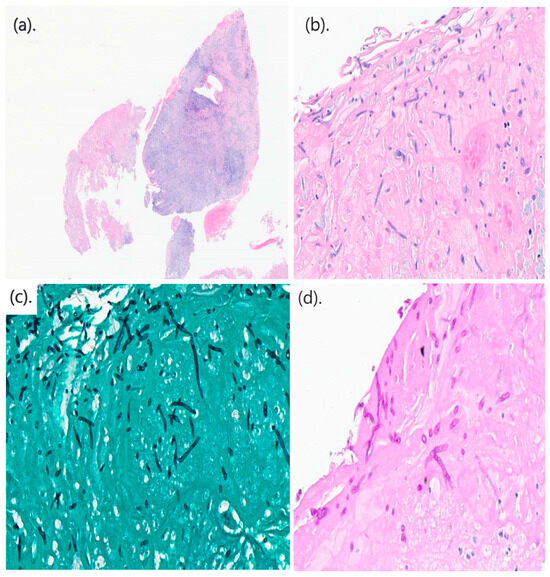
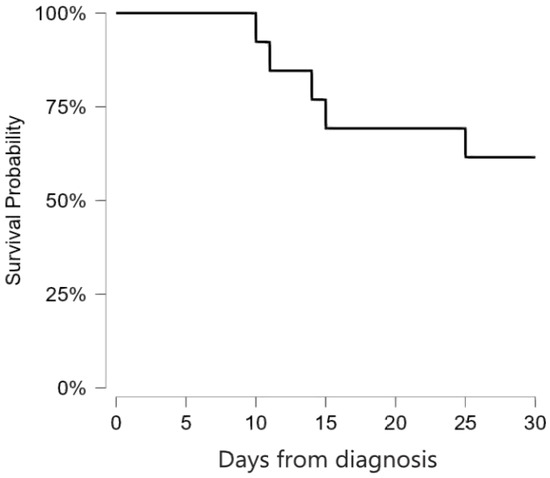
Background/Objectives: Fusarium species are recognized as difficult-to-treat opportunistic pathogens due to extensive antifungal resistance and high mortality rates. Variability in its incidence and outcomes exists across different countries and centers. Large studies on Fusarium species are lacking in Saudi Arabia, with most previous publications being case reports. We describe all cases of invasive fusariosis identified at a tertiary center during a 10-year period and review previous reports in the country. Methods: A retrospective search of hospital records and the microbiology database was conducted to identify cases of invasive fusariosis among patients admitted during 2016–2025 at King Abdulaziz Medical City, Jeddah, Saudi Arabia. Results: Three cases of invasive fusariosis occurring over a 10-year period were identified. All cases occurred in the last three years of the study period. The incidence during those three years was 0.4 cases per 10,000 admissions per year. Clinical manifestations were fungemia in two immunocompetent patients and ulcers progressing to osteomyelitis in an immunocompromised patient. None of the patients progressed to death within 30 days of diagnosis. Conclusions: Data on Fusarium species are scarce in Saudi Arabia. Additional studies are required to better understand differences in invasive fusariosis between countries.

26 January 2026

Background: Millions of people have died from AIDS-related illnesses since the start of the epidemic. The objective of this study is to determine the relationship between life years lost and demographic factors in the subset of individuals in Puerto Rico with advanced HIV disease, i.e., who received a diagnosis of AIDS, and to evaluate trends in poverty, age, and number of diagnoses and deaths over this timeframe. Methods: We identified 3624 individuals diagnosed with AIDS who received services under the Eligible Metropolitan Area (EMA) of San Juan, Puerto Rico, between 2000–2020, and correlated demographic factors with AIDS descriptive statistics using a retrospective cohort study design. We used socioeconomic characteristics to describe the population, estimated the life years lost (LYL) compared with the life expectancy of the general population of Puerto Rico at a given age as the null model, and evaluated the relationship of demographic variables with LYL, as well as trends in poverty and age/number of deaths/diagnoses over time. Results: More life years are lost with earlier AIDS onset, and there is also an association between LYL and the level of poverty, documented mode of transmission, and insurance status. LYL were higher among AIDS patients with lower income, with perinatal transmission, and among those without insurance in the age bracket of 40–49 years. No relationship between LYL and gender was detected. Moreover, over the years included in the timeframe of this study, certain trends emerged: we observed a greater proportion of AIDS to HIV diagnoses over time; HIV/AIDS diagnoses and deaths occurred on average at a higher age; the number of diagnoses per year initially rose over time and then declined; and the number of deaths per year as well as the poverty level in those diagnosed with HIV/AIDS increased over time. Conclusions: This study demonstrates the continued recent impact of the HIV epidemic specifically on those with advanced disease (AIDS), and further reaffirms the importance of treatment and prevention as well as demographic and social determinants of health, including age, poverty level, insurance status, and lifestyle, highlighting the disproportionate burden of HIV/AIDS among those with greater levels of poverty.

20 January 2026

News & Conferences

Issues

Open for Submission

Editor's Choice

Get Alerted

Add your email address to receive forthcoming issues of this journal.

XFacebookLinkedIn
Infect. Dis. Rep. - ISSN 2036-7449